The United States has launched another wave of attacks against Iran, saying the operation is aimed at “degrading” the country’s military. The strikes came on Sunday after three consecutive days of tit-for-tat attacks between Washington and Tehran. A ceasefire agreement reached in June is showing signs of fraying. The renewed action points to continuing military confrontation between the two countries.

The US military says it has launched a fresh wave of attacks against Iran. The renewed fighting around the Strait of Hormuz has also seen several Gulf allies of Washington come under incoming fire. The escalation is the latest blow to an interim deal intended to end the war between Washington and Tehran. The conflict, which began in late February, has sent shockwaves through the global economy.

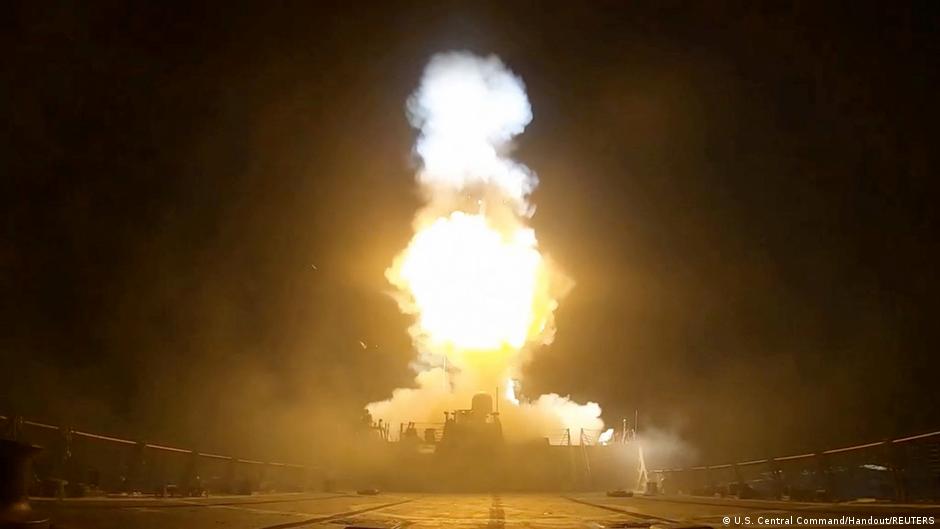
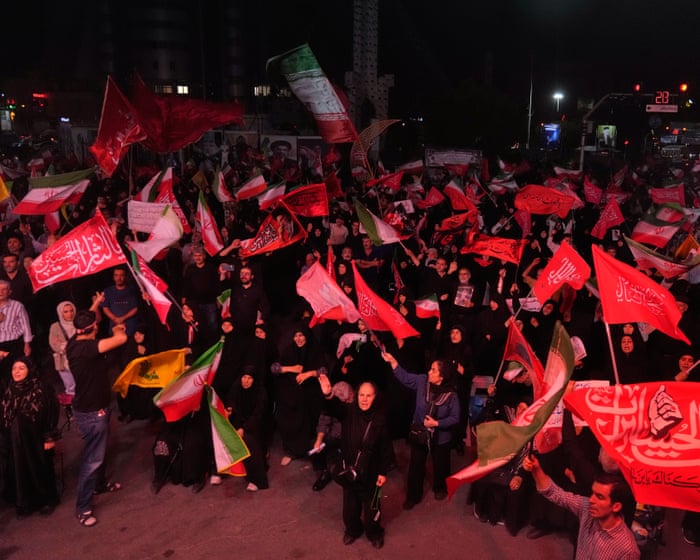
The United States and Iran have exchanged another round of heavy missile and drone attacks. Tehran says it targeted US facilities in states across the Gulf and has once again closed the vital Strait of Hormuz. Iran is also seeking a permanent system for collecting fees in the waterway, warning vessels against sailing without its authorisation. US Central Command says American forces began further strikes at 5pm ET on Sunday to keep degrading Iran’s ability to attack civilian mariners and commercial ships transiting the strait. Tehran says the attacks have made diplomacy ‘futile’.
Iranian Foreign Ministry spokesman Esmaeil Baghaei says strikes on US facilities amount to legitimate self-defense. He argues that blaming Iran for protecting its sovereignty is deeply irresponsible when the aggressors have not been held accountable for what he calls a serious breach of international law. Baghaei’s statement defends Iran’s actions and places responsibility on those who carried out the aggression.
 TASS★★★★☆2026-07-12 21:50Original
US Central Command, which oversees the Middle East region, said in a social media post on the 12th that it had begun additional attacks on Iran. The command said the operation started at 5 p.m. Eastern Time on the 12th, corresponding to 6 a.m. Japan time on the 13th.

Iran said strikes hit two of its southern islands on Sunday evening. Kuwait, where Tehran has repeatedly targeted US installations, reported attacks on border posts and an offshore oil platform. No one has claimed responsibility for the strikes so far. They came hours after Tehran and Washington issued conflicting statements about whether the vital Strait of Hormuz remained open to traffic.

Analyst Ali Vaez says Iran and the United States resumed fighting because neither side sees the other as a “reliable negotiating partner.” His assessment points to a breakdown of trust as the reason the ceasefire is coming apart. With the two sides fighting again, the arrangement has lost much of its foundation. The lack of confidence between them is making a return to negotiations increasingly difficult.

The United States military has sharply expanded the scale of its attacks on Iran in recent days. The strikes have targeted both military and civilian sites. The escalation comes as the standoff in the Strait of Hormuz intensifies. The developments are fueling concern that war in Iran could erupt again.

Marc Lamont Hill challenges former United States diplomat Heino Klinck over the US-Israeli war in Iran. Their exchange examines whether the conflict represents a strategic success for the United States or instead exposes a diplomatic failure. The central question concerns how the war should be assessed.